
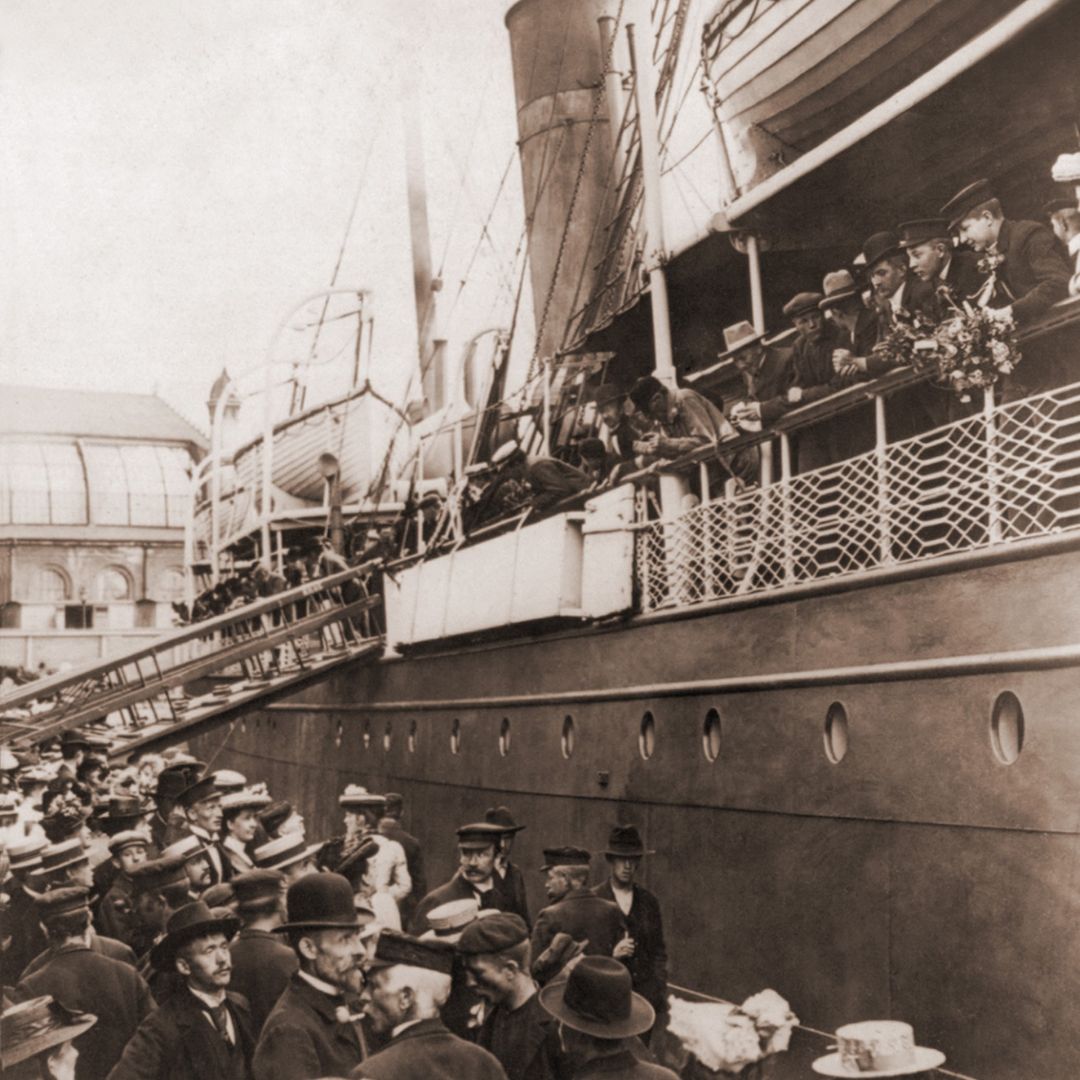
Italian citizenship records have been shaped by decades of migration, political changes, and historical events.
Wars, economic migration, and changes in government systems affected how personal information was recorded and preserved.
For citizenship applicants researching their ancestry, understanding historical influences can explain why records may appear incomplete or inconsistent.
The Impact of Migration on Records
Millions of Italians emigrated during the late nineteenth and early twentieth centuries. This large movement of people created challenges in maintaining consistent records.
Migration often resulted in:
• Name changes
• Different birth information
• Lost documents
• Records created in multiple countries
These issues are common in citizenship applications.
The Effects of War
Wars affected government administration and the preservation of documents.
Possible consequences include:
• Destroyed archives
• Relocated records
• Missing registrations
• Changes in territorial control
Applicants researching ancestors from affected regions may need to consult multiple sources.
Changes in Government Systems
Italy has experienced significant political changes throughout history.
Administrative transitions influenced:
• Record formats
• Registration procedures
• Local jurisdictions
Understanding these changes helps applicants interpret historical documents correctly.
Using Multiple Sources to Reconstruct History
When records are incomplete, applicants may need to compare:
• Civil records
• Church records
• Military documents
• Immigration files
• Family archives
Combining multiple sources can help create a clearer historical picture.
Conclusion
War, migration, and historical events have influenced Italian citizenship records in many ways. Although these challenges can make research more complicated, careful investigation often allows applicants to reconstruct their family history.