
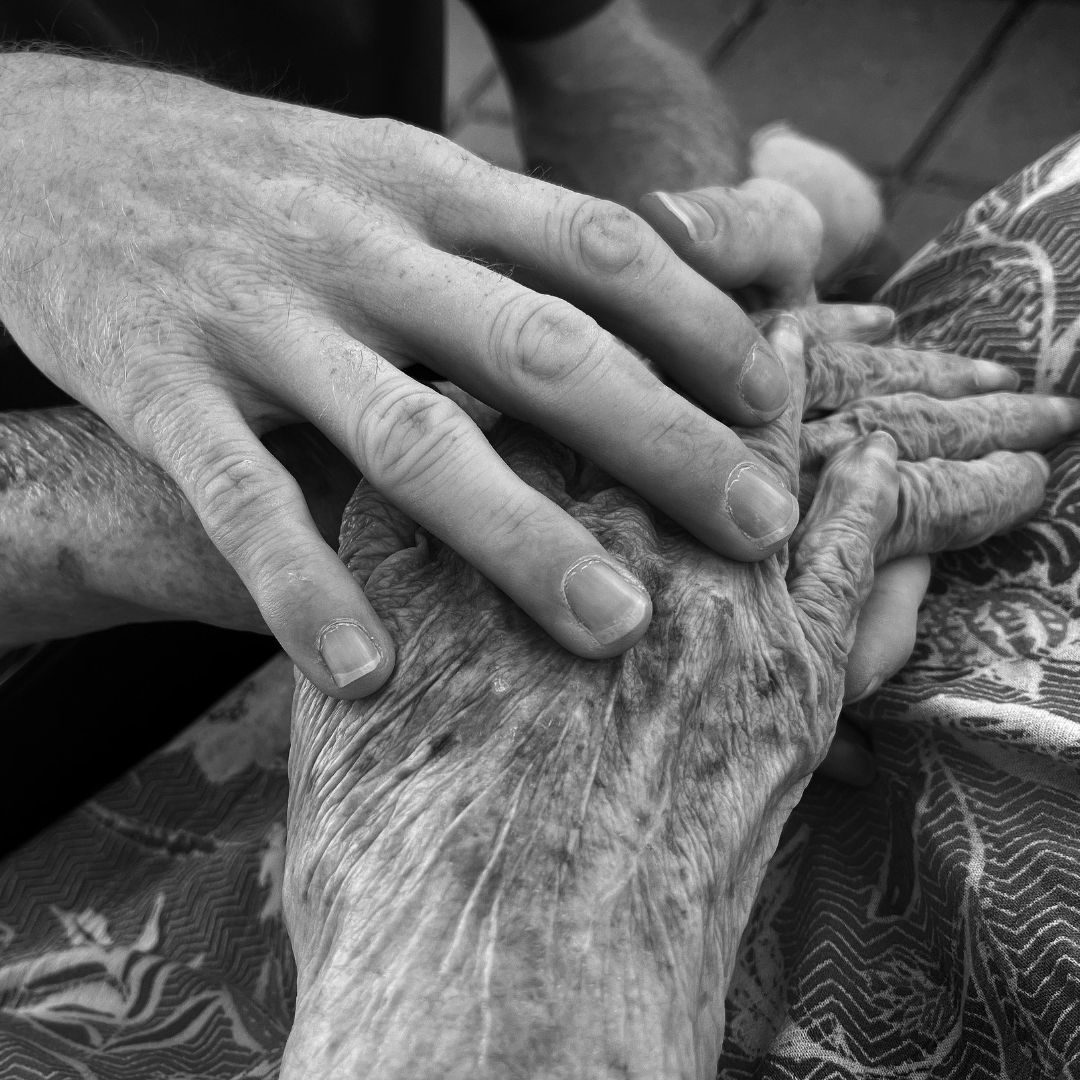
Italian citizenship applications depend on proving an uninterrupted connection between generations.
Because this process requires documents from multiple countries and different historical periods, differences in names are one of the most frequent issues applicants encounter.
A person’s name may appear differently throughout their lifetime or across generations due to immigration, translation, spelling differences, or administrative mistakes. Understanding how these variations affect a citizenship application helps applicants prepare stronger documentation and avoid unnecessary complications.
Why Name Variations Are Common in Italian Families
Many Italian families experienced changes in names after moving abroad. During large waves of immigration, foreign authorities often recorded Italian names according to local language rules or pronunciation.
Common examples include:
• Italian names adapted into another language
• Different spellings of the same surname
• Changes in first names
• Missing middle names
• Incorrect dates connected to name records
These differences are especially common in documents created outside Italy.
How Italian Authorities Evaluate Name Differences
Italian authorities review documents to determine whether they accurately establish the identity of each person in the direct line of descent.
The main concern is not simply whether names match perfectly, but whether the documents clearly refer to the same individuals.
Authorities may consider factors such as:
• Date and place of birth
• Parents’ names
• Marriage information
• Immigration details
• Family relationships
A consistent connection between records is essential.
Common Types of Name Variations
Applicants may encounter several types of differences, including:
First Name Changes
Italian first names were often translated or adapted after immigration.
Examples include:
• Giovanni becoming John
• Giuseppe becoming Joseph
• Maria becoming Mary
These differences may require additional documentation depending on the circumstances.
Surname Spelling Differences
Surnames could change because officials wrote names according to pronunciation rather than original spelling.
Small spelling differences are often easier to explain, while major changes may require additional proof.
Missing or Added Names
Some documents may include middle names or additional given names that do not appear elsewhere. These differences should be reviewed carefully to determine whether corrections are necessary.
When Corrections May Be Required
Not all discrepancies require formal corrections. However, significant inconsistencies may create doubts about identity.
Corrections may be necessary when:
• Dates and names create uncertainty
• Two possible identities exist
• The family relationship is unclear
• The difference affects eligibility
The requirements for corrections vary depending on the jurisdiction issuing the document.
Preparing Supporting Evidence
When name variations exist, applicants can strengthen their case by collecting additional evidence.
Useful supporting documents may include:
• Original Italian records
• Immigration documents
• Census records
• Marriage records
• Naturalization files
These records help create a complete historical picture and demonstrate continuity between generations.
Reviewing Documents Before Submission
A complete document review before applying is one of the best ways to identify name issues early.
Applicants should create a checklist comparing:
• Names
• Dates
• Places
• Family relationships
Finding problems before submitting an application provides time to correct documents or prepare explanations.
The Importance of Consistency
A successful Italian citizenship application depends on a clear documentary connection between generations. Even small inconsistencies should be evaluated because they may affect how authorities interpret the evidence.
Careful preparation demonstrates that the applicant understands the requirements and has built a complete legal case.
Conclusion
Name variations across generations are a common challenge in Italian citizenship applications, especially for families with immigrant ancestors. While these differences do not automatically prevent recognition of citizenship, they must be properly documented and explained.