
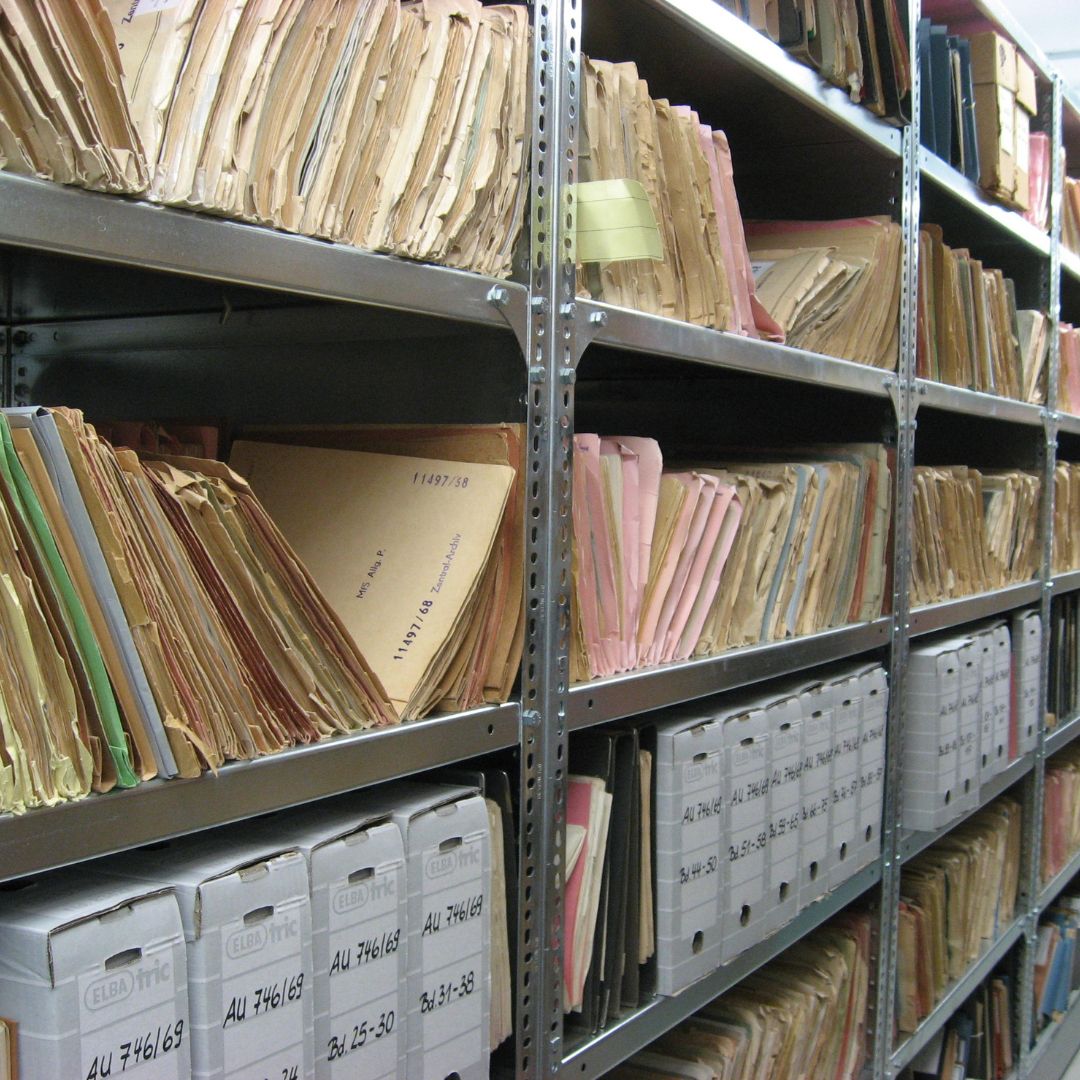
One of the most challenging parts of an Italian citizenship by descent application is locating historical documents that are missing, incomplete, or difficult to access.
Since citizenship applications require proof of the connection between generations, missing records can create significant obstacles if they are not properly researched and addressed.
Italian ancestors often lived during periods when recordkeeping systems were different from today. Wars, migration, administrative changes, and the passage of time have all contributed to lost or difficult-to-find documents.
Understanding how to search for missing records and what alternatives may exist can help applicants overcome these challenges.
Why Italian Records May Be Missing
Historical records may be unavailable for several reasons. Many Italian families discover that documents expected to exist cannot immediately be located.
Common reasons include:
• Loss or damage caused by natural disasters
• Destruction during wartime periods
• Changes in municipal boundaries
• Transfers between archives
• Incomplete historical registrations
• Errors in record indexes
The absence of a document does not always mean that the information is unavailable, but it may require broader research.
Starting the Search With the Correct Information
Before beginning a document search, applicants should gather as much information as possible about their Italian ancestor.
Helpful details include:
• Full name
• Possible spelling variations
• Date of birth
• Place of birth
• Parents’ names
• Marriage information
• Immigration details
Historical documents often contain inconsistencies, so searching with multiple variations can improve the chances of success.
Contacting Italian Municipalities
Italian municipalities are often the first place applicants should contact when searching for civil records.
Municipal civil registry offices may hold:
• Birth records
• Marriage records
• Death records
• Historical registrations
However, response times and availability vary greatly between municipalities. Some offices have extensive archives, while others may need additional time to locate older documents.
Exploring Church and Historical Archives
For older records, especially those created before modern civil registration systems, church archives can be extremely valuable.
Parish records may include:
• Baptism records
• Marriage records
• Burial records
• Family information
These records can sometimes provide important evidence when civil documents are unavailable.
Using Alternative Sources
When official records cannot be located, applicants may need to explore additional sources.
Possible alternatives include:
• Immigration records
• Military records
• Census documents
• Notarial records
• Passenger lists
• Family archives
While these sources may not replace official documents in every situation, they can help confirm historical information and support further research.
Handling Missing Documents in a Citizenship Application
If a required document cannot be found, applicants should determine whether alternatives are accepted by the relevant Italian authority.
Possible solutions may include:
• Obtaining a certificate of unavailability
• Providing substitute documentation
• Requesting judicial recognition when appropriate
• Explaining the circumstances surrounding the missing record
The correct approach depends on the type of document and the specific circumstances of the case.
Avoiding Delays Caused by Missing Records
One of the biggest mistakes applicants make is waiting until the final stages of the process to search for documents.
A complete document investigation should begin early because:
• Archives may take time to respond
• Corrections may be necessary
• Alternative evidence may require additional research
Early preparation gives applicants more time to solve unexpected problems.
Conclusion
Missing Italian records are a common challenge in citizenship applications, but they do not always prevent applicants from proving their eligibility. Careful research, communication with archives, and the use of alternative sources can help reconstruct family histories and locate essential information.