
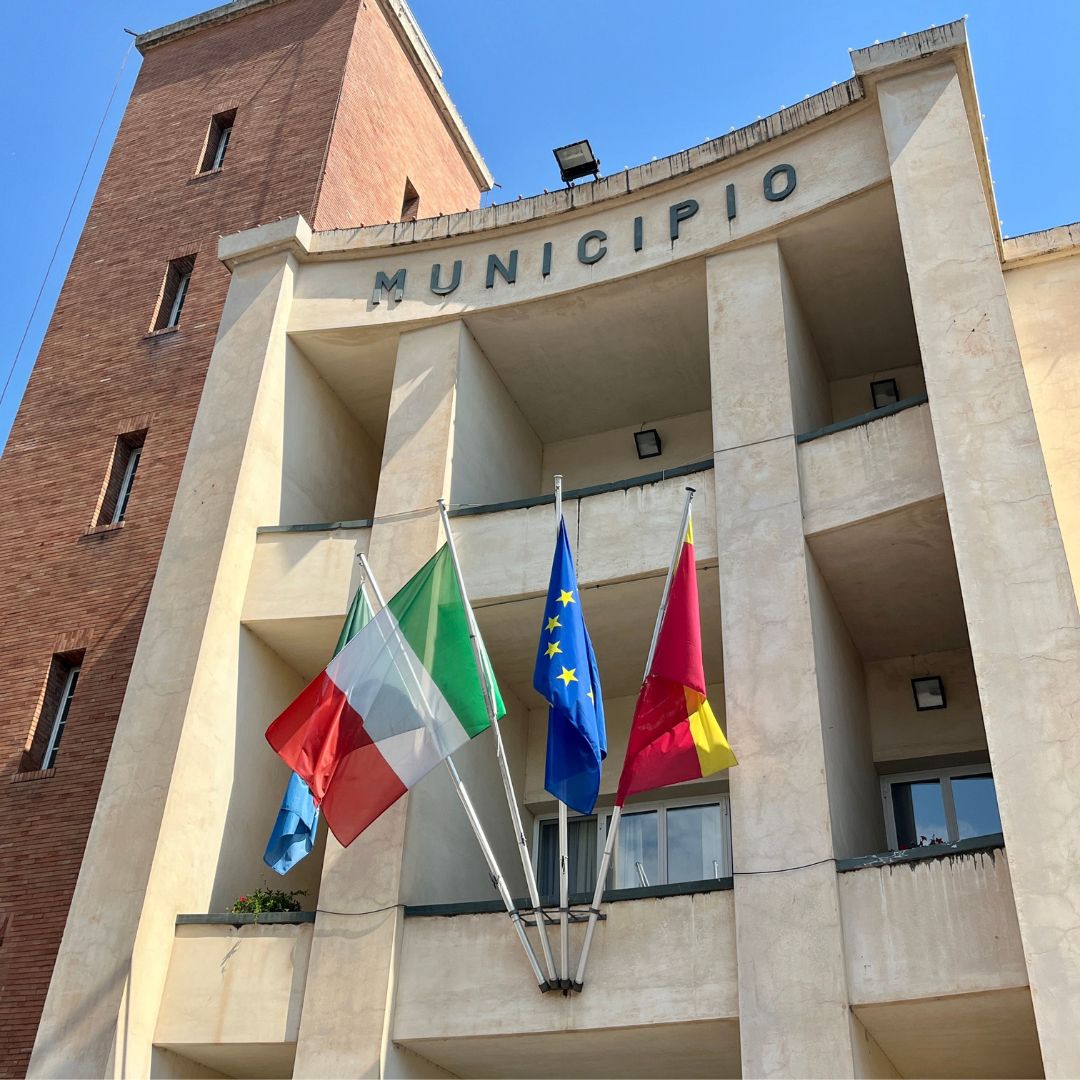
Italian municipalities play a central role in the Italian citizenship application process, especially for applicants claiming citizenship by descent (jure sanguinis).
These local government offices are responsible for maintaining civil records, verifying documentation, and officially registering citizenship recognition when the application is approved.
For many applicants living outside Italy, the municipality may seem like a distant administrative office, but it is one of the most important institutions involved in the final stages of the citizenship process.
Understanding how Italian municipalities operate and what they are responsible for can help applicants prepare a more complete and accurate application.
What Is an Italian Municipality?
An Italian municipality, known as a Comune, is the local administrative authority responsible for civil registration within a specific town or city.
Municipalities maintain important records, including:
• Birth registrations
• Marriage records
• Death records
• Family information
• Historical civil status records
These documents are essential for proving family relationships and establishing eligibility for Italian citizenship.
The Municipality’s Role in Citizenship by Descent Applications
When applying for Italian citizenship through ancestry, the municipality reviews the applicant’s documents to determine whether the legal requirements are satisfied.
The municipality typically verifies:
• The applicant’s identity
• The Italian ancestor’s records
• The continuity of the citizenship line
• The accuracy of submitted documents
• Compliance with Italian citizenship laws
The final recognition of citizenship is completed through the municipality’s official registration process.
Obtaining Italian Civil Records
One of the most important functions of Italian municipalities is providing access to historical civil records.
Applicants often need documents such as:
• Birth certificates of Italian ancestors
• Marriage certificates
• Family information records
The availability of records depends on the municipality, the historical period, and the condition of the archives.
Some municipalities have extensive digital systems, while others still rely on traditional paper archives.
Registering Citizenship Recognition
If the municipality approves the application, it records the applicant as an Italian citizen in the civil registry.
This registration allows the applicant to:
• Request an Italian birth certificate
• Apply for an Italian passport
• Access citizenship-related services
The municipality’s registration is therefore the official confirmation that citizenship has been recognized.
Communication With Italian Municipal Offices
Each municipality has its own procedures and communication methods. Some offices respond quickly, while others may require longer processing times due to limited staff or high demand.
Applicants should always:
• Provide complete documentation
• Communicate clearly and professionally
• Follow requested procedures
• Avoid submitting unnecessary documents
Good communication can help prevent misunderstandings during the review process.
Why Choosing the Right Municipality Matters
For applicants who apply directly in Italy, selecting the municipality where the application will be submitted can affect the overall experience.
Factors to consider include:
• The municipality’s familiarity with citizenship applications
• Processing organization
• Availability of appointments
• Administrative workload
Choosing carefully can make the process more efficient.
Conclusion
Italian municipalities are a fundamental part of the citizenship recognition process. They maintain the civil records needed to prove ancestry, review applications, and officially register recognized citizens.